
Choosing the Right Wood for Fencing
A new solid wood fence---whether a wood picket fence, panel fence, or wood privacy fence (madera para cerca)---is more than a simple boundary; it acts as the welcoming frame for your entire home. Walking down the retail lumber aisle can feel overwhelming with all the competing price tags, premade fence panels, wooden fence panels, and confusing industry labels.
According to landscape professionals, every wooden garden fencing project faces three relentless natural enemies: pounding sun, standing water, and hungry bugs. Selecting a material that naturally fights off these daily threats prevents a beautiful backyard border from quickly turning into a rotting, warped headache.
Industry data reveals that investing slightly more upfront often saves thousands in replacement costs over a typical fifteen-year lifespan. Mastering the basics of choosing the right wood for fencing guarantees you maximize your long-term return.
Summary
Choosing fence wood means balancing budget, appearance, and longevity by selecting species and treatments that resist sun, water, and insects. Pressure-treated pine offers strong value when tagged for Ground Contact and preferably Kiln-Dried After Treatment, while Western Red Cedar delivers low-maintenance stability—especially when favoring heartwood over sapwood. Prevent warping by choosing straight, dry boards and appropriate cuts/grades, then protect with sealing or staining on a two-year schedule starting within 30 days. Use the final decision matrix to match pine, cedar, or hardwoods/redwood to your climate and budget for a 10–25+ year lifespan.
Saving Money Without Sacrificing Stability: The Truth About Pressure-Treated Pine
Those cheap wood fence panels and green-tinted pine fence pickets (and even privacy fence pickets) seem like an easy choice. But untreated pine acts like a dry sponge---it soaks up rain and rots. To stop this, mills use pressure-treatment, forcing liquid preservatives deep into the wood's pores to fight moisture and bugs.
Since water is wood's enemy, you must know where your fence planks are going. A post touching dirt acts like a wet straw, pulling dampness upward. Therefore, look for a Ground Contact Rating tag, meaning it holds enough chemical medicine to survive soil. You might also spot Kiln-Dried tags, indicating the lumber was oven-baked to remove moisture, preventing those fence wood planks from violently warping. If you're comparing individual boards to pre built fence panels, apply the same checks.
Before buying, inspect each piece using this simple checklist:
- Check the tag: Look for the "Ground Contact" stamp.
- Examine the hue: Choose consistent color proving even penetration.
- Scan for defects: Inspect each fence board and avoid massive knots that weaken the structure.
While treated pine offers durability on a budget, you might soon discover why Western Red Cedar is the 'Gold Standard' for low-maintenance beauty.
Why Western Red Cedar is the 'Gold Standard' for Low-Maintenance Beauty
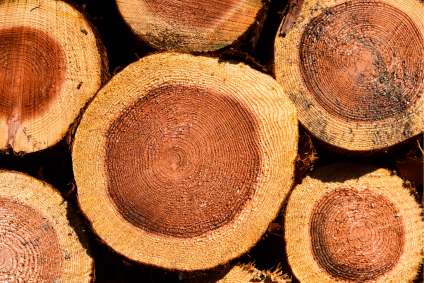
Finding the best wood for privacy fences often leads homeowners straight to Western Red Cedar. Unlike pine, which relies on harsh chemical baths to survive the elements, cedar uses its own natural defenses. This provides a rich, warm color that ages beautifully, avoiding the artificial green tint of pressure treatments entirely.
The secret to these western red cedar fence benefits lies in natural compounds called tannins. Think of tannins as a built-in insect repellent and rot-resistor. Because it doesn't violently soak up and lose moisture like a sponge, cedar also boasts incredible dimensional stability. When evaluating cedar vs pressure treated pine durability, cedar naturally stays straight and flat, rarely twisting or bowing as the weather changes. Cedar also shines in stockade fencing; using stockade fence panels can speed up installation while preserving that natural look.
That premium upfront price tag transforms into a smart 15-20 year ROI. While a cheaper fence might warp or need heavy repairs in a decade, cedar stands strong with minimal maintenance. Yet, not all cuts from the cedar tree are created equal. The difference between heartwood and sapwood is the tiny tag that prevents your fence from rotting in three years.
Heartwood vs. Sapwood: The Tiny Tag That Prevents Your Fence from Rotting in 3 Years
Looking at a board's end reveals its true durability. The darker center, or heartwood, is packed tightly with protective oils, while the lighter outer ring is the sapwood. When evaluating heartwood vs sapwood for fencing, remember that sapwood acts like an open sponge that eagerly absorbs water and invites rot.
This tree anatomy directly influences the grading standards for fence lumber at your local yard. Lumber is sorted by strength and appearance so you don't overpay for perfection. While ground-touching structural posts require dense, rot-resistant cuts, your vertical wood fence boards (often called fence planks) can safely feature more sapwood or knots without risking the fence's overall lifespan.
Smart buyers use this knowledge to save money, skipping expensive, flawless "Clear" grade lumber when a rustic, sturdy "No. 2" grade is perfectly sufficient. Before loading up those budget-friendly boards, you must ensure they won't twist out of shape. Choosing the right cut and grade stops warping before it starts.
How to Stop Warping Before It Starts: Choosing the Right Cut and Grade
Learning how to prevent fence warping starts right in the lumber aisle. Because wet wood acts like a sponge that twists as it dries, always prioritize "Kiln-Dried After Treatment" (KDAT) lumber, which has the excess moisture baked out at the factory. When choosing individual wood fence slats, hold them to your eye like a spyglass; this simple "Telescope Test" instantly reveals hidden curves.
Whether inspecting loose boards or evaluating pre built fence panels and pre assembled fence panels---whether 6ft fence panels or 8 feet tall fence panels---avoid these four warping risks:
- The Pith: Boards showing the tree's bullseye center will inevitably cup.
- Diagonal Grain: Lines running sharply off the board's edge guarantee future twisting.
- Heavy Weight: Unusually heavy boards are waterlogged and will shrink drastically.
- Slight Twists: A minor corkscrew shape now means severe warping later.
Securing straight, dry lumber provides your strongest physical defense against a wavy fence line. Now that your wooden structure is sound, a proper sunscreen strategy of sealing and staining will protect your investment.
We, at Jaguar Landscape, can help you surface tyour next fence installation! Learn more here.
The Sunscreen Strategy: How Sealing and Staining Protect Your Investment
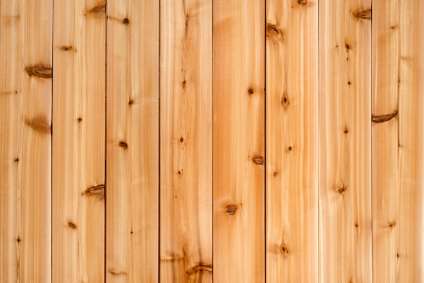
Without protection, the sun quickly destroys even the straightest lumber. To halt the weathering process of natural wood, your boards need sealant acting as UV sunscreen. You can verify this protection using the "Water Bead Test"---just splash water on the boards. If it soaks in rather than beading up, reapplication is overdue.
Defending your wood privacy fence requires choosing between oil-based and water-based formulas. Penetrating oil-based stains hydrate deep within the grain, while water-based sealants form a tough surface shield perfect for maintaining wood in humid climates. Even cheap privacy fence panels benefit from meticulous cleaning and proper sealing.
Committing to a two-year maintenance calendar of washing and resealing will easily double your investment's lifespan. Consistent upkeep sets the stage for the final decision: matching the right wood to your budget and backyard.
The Final Decision Matrix: Which Wood Matches Your Budget and Backyard?
You no longer have to guess which materials will survive your local weather. By matching your budget to the right rot resistant wood species, you can confidently build a lasting wood picket fence. Before researching where to buy fence panels---many shoppers literally type "where can I buy wood fence panels," "where to buy picket fence," or "where to buy privacy fence" when searching for picket fence pickets, stockade fencing, or wooden privacy fence panels---review this "Which are you?" comparison:
- The Budget Builder (Pine): Low cost, 10-15 year lifespan. Common for picket fence pickets and privacy fence pickets, with plenty of picket fence for sale options.
- The Aesthetic-First (Cedar): Medium cost, 15-20 year lifespan. Excellent for wooden fence panels and stockade fence panels with a warm, natural look.
- The Luxury Investor (Hardwoods/Redwood): High cost, 25+ year lifespan. Premium appearance and longevity; panels may be custom-built rather than standard sizes.
To guarantee 10+ year durability, your first 30 days must include applying a UV-protective sealant. Ultimately, your best wood depends entirely on your specific environment and willingness to stain.
Q&A
I’m overwhelmed in the lumber aisle—what really matters when choosing wood for a fence?
Short answer: Focus on resisting sun, water, and insects, since those are the three forces that destroy fences. Balance budget, appearance, and longevity by choosing species and treatments that counter these threats: pressure-treated pine (look for Ground Contact and ideally Kiln-Dried After Treatment/KDAT) offers strong value; Western Red Cedar provides low-maintenance stability and a natural look; hardwoods/redwood deliver premium longevity. Pick straight, dry boards with the right cuts/grades to prevent warping, then seal or stain within the first 30 days and every two years after. Paying a bit more upfront often saves thousands over a typical 15-year span, with total lifespans ranging roughly 10–25+ years depending on material and maintenance.
What do “Ground Contact” and “KDAT” mean on pressure-treated pine, and why do they matter?
Short answer: “Ground Contact” means the wood contains enough preservative to withstand soil moisture and insects—essential for posts or any part touching (or near) the ground, which otherwise act like wet straws wicking water up the fence. “KDAT” (Kiln-Dried After Treatment) means the lumber was oven-dried after treatment to remove excess moisture, greatly reducing warping and shrinkage as it acclimates. Before buying, use this quick checklist: check the tag for Ground Contact, choose boards with a consistent hue (indicating even chemical penetration), and avoid pieces with massive knots or other defects. Apply the same standards to premade or preassembled fence panels.
Why is Western Red Cedar considered the “gold standard,” and how do heartwood and sapwood factor in?
Short answer: Cedar resists rot and insects naturally thanks to tannins, so it avoids the green tint of chemical treatments and offers a warm color that ages gracefully. It also absorbs and releases moisture less violently than pine, giving it excellent dimensional stability (fewer twists, cups, and bows) and a strong 15–20 year return on investment with minimal upkeep. Within any species, heartwood (the darker center) carries protective oils and is far more rot-resistant, while sapwood (the lighter outer ring) behaves like a sponge. Favor heartwood where durability matters most; use grading smartly—clear, flawless lumber isn’t necessary for most fence boards, so a sturdy No. 2 grade can save money without sacrificing lifespan, while ground-contact posts need denser, more rot-resistant cuts.
How do I stop boards from warping before they’re even installed?
Short answer: Start with dry, stable stock: prioritize KDAT lumber. Sight every board with the “Telescope Test” (look down its length) and avoid four red flags: boards with the pith/bullseye (they cup), diagonal grain (they twist), unusually heavy pieces (waterlogged and prone to big shrinkage), and any existing corkscrew/twist. Choosing straight, dry boards with favorable grain is your best defense against a wavy fence line—whether you’re buying loose pickets or prebuilt panels.
When and how should I seal or stain my fence to make it last?
Short answer: Treat the first 30 days as critical: apply a UV-protective sealant or stain within that window, then maintain on a two-year cycle to easily double your investment’s lifespan. Use the Water Bead Test to time reapplications—if water soaks in instead of beading, it’s overdue. Pick your formula by behavior: penetrating oil-based stains hydrate deep into the grain, while water-based sealants form a tougher surface shield that’s well-suited to humid environments. Even budget panels benefit significantly from proper cleaning and consistent resealing.
If you are looking for a fence installation company, we're here! Click here to contact us.