
Choosing the Right Privacy Fence Material with Jaguar Landscape
Picture enjoying a quiet Saturday coffee on your deck, completely undisturbed by a neighbor's curious stare. Whether you need basic visual privacy or full security fencing, Choosing the Right Privacy Fence Material transforms an exposed yard into a personal sanctuary. Industry data reveals that well-designed barriers add tangible resale value while instantly upgrading your outdoor lifestyle.
Navigating the "Big Three" privacy fence options—wood, vinyl, and composite—means balancing aesthetics, upfront budget, and future effort. Think of modern privacy fence panels like major household appliances; buyers constantly trade the initial purchase price against ongoing maintenance hours. Wood is cheaper today but demands consistent painting and sealing, whereas premium alternatives cost more upfront but let you definitively own your weekends.
Wood Fencing: Balancing Low Upfront Costs with the Reality of Ongoing Maintenance
While browsing privacy fence panels for sale, wood immediately looks like the budget winner. However, you aren't just buying lumber; you're signing up for a maintenance schedule. Preventing wood fence rot and warping—when boards violently twist out of shape after soaking up rain and baking in the sun—requires strict adherence to the "Seal or Suffer" rule. To survive the elements, a wood fence demands a fresh coat of sealant every two to three years.
Your overall yard workload and the pressure treated pine vs cedar lifespan will differ drastically depending on the specific timber you install:
- Pressure-Treated Pine: Chemical preservatives are forced deep into the wood under high pressure to fight decay, yielding a 10-15 year lifespan. It is highly affordable upfront but incredibly prone to shrinking.
- Western Red Cedar: Packed with natural tannins (built-in organic oils that repel insects and moisture), this premium option easily lasts 20+ years and naturally resists twisting.
Calculating the hidden labor cost of biennial staining over two decades often erases the initial savings of a cheaper material. If sacrificing endless Saturdays to a paintbrush sounds exhausting, modern alternatives offer a better return on investment.
If you are considering landscape options for privacy, check us Landscape services here!
Vinyl Fencing: Why Spending More Today Buys You Your Weekends Back
For busy parents or frequent travelers, the best privacy fence for low maintenance is the ultimate time-saver. While the initial vinyl vs wood fencing cost might cause sticker shock, the 20-year financial return heavily favors vinyl. By eliminating endless weekend staining and rotting board replacements, that higher upfront price actually pays for itself within the first decade.
Not all synthetic privacy fence panels are equal, though. You should always select "virgin PVC"—brand-new, un-recycled plastic that resists becoming brittle. Premium vinyl also utilizes UV inhibitors, acting like sunscreen to prevent your bright white fence from turning a chalky yellow after baking in the summer sun year after year.
Finally, buyers must understand thermal expansion, which simply means the material slightly grows in heat and shrinks in cold. Proper installation leaves hidden gaps inside the posts so the fence won't buckle. For those craving a zero-upkeep lifestyle with a natural wood look, composite and metal materials offer compelling alternatives.
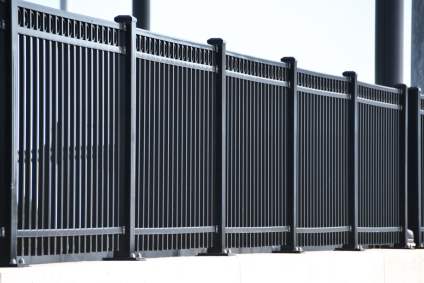
Composite and Metal: The 'Forever' Solutions for Harsh Climates and Modern Styles
If you are wondering what is the longest lasting fence material that mimics real timber, wood-plastic composites (WPC) are your answer. By blending recycled wood fibers with tough plastics, WPC creates a board that ignores the elements. This composite fencing durability in harsh climates offers three top benefits for high-humidity or desert environments:
- Refuses to splinter or warp in baking heat
- Completely resists rot in damp, soggy zones
- Never requires a single drop of stain
These premium boards also unlock stunning modern horizontal privacy fence ideas. Installing planks sideways naturally draws the eye outward, tricking the brain into making a tight yard feel significantly wider. This orientation lets you master the airflow-to-privacy ratio, leaving tiny gaps that catch cooling summer breezes without exposing your family's space to the street.
To stop a long boundary from feeling like a solid fortress, try mixing materials. Using decorative metal privacy panels for backyard accents breaks up heavy runs of composite with beautiful, laser-cut patterns. However, high-end materials alone won't solve every fencing challenge. Local regulations and neighbor relations play an equally crucial role in your final choice.
Navigating the 'Hidden' Realities: HOAs, Neighbors, and Total Cost of Ownership
Before digging, you must cross-check your design against local rules. Municipal zoning setbacks often require fences to sit several inches inside your property line to avoid encroaching on underground utilities. Furthermore, strict fence height regulations for local HOAs frequently cap backyard boundaries at six feet and front yards at three feet. Ignoring these hidden hurdles can easily force a costly tear-down of a brand-new installation.
Sharing a property line means sharing the visual impact of your project. Standard fences feature a "pretty" side and an "ugly" side exposing the horizontal support rails. To keep peace next door, consider neighbor friendly fence styles like the "Shadowbox." This double-sided design alternates pickets on both sides of the rails, ensuring you and your neighbor both enjoy a beautiful, finished view without staring at structural framing.
Evaluating long-term budgets requires a "rent vs. buy" mindset. Calculating amortized maintenance costs—spreading future upkeep expenses over time—reveals the true total cost of ownership for different fences over a decade:
- Wood: Low upfront price + frequent staining and sealing = Highest 10-year cost.
- Vinyl: Medium upfront price + simple occasional washing = Lowest 10-year cost.
- Composite: Premium upfront price + zero maintenance = Ultimate weekend freedom.
Factoring in these hidden realities simplifies your final decision.
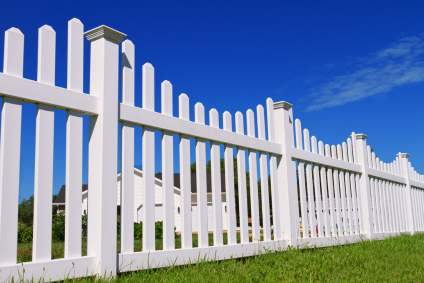
The Final Decision: Your 3-Step Action Plan to Choosing a Fence That Lasts
Choosing the Right Privacy Fence Material doesn't have to be a guessing game. Whether you are a homeowner seeking a permanent installation or need temporary privacy fence options for renters, finalize your choice using this decision matrix:
- Budget: What is my upfront limit versus my long-term maintenance fund?
- Time: How many weekends am I willing to spend staining or washing?
- Values: Do I prefer traditional wood, low-upkeep composites, or eco friendly privacy screen alternatives?
Explore current privacy fence panels and gather inspiring privacy fence ideas from local showrooms or catalogs before getting quotes. Before scheduling installation, execute your first crucial step: check your local property lines and HOA bylaws. Once cleared, you can confidently invest in a solution that delivers lasting curb appeal. Soon, you'll be sitting on your deck, coffee in hand, enjoying the peace of mind of your new private sanctuary.
Frequently Asked Questions
What's the real long-term cost difference between wood, vinyl, and composite fences?
Short answer: Over a decade, wood usually costs the most because frequent staining and sealing add up, while vinyl tends to be the least expensive thanks to minimal upkeep. Composite carries the highest upfront price and zero maintenance—delivering "weekend freedom"—but isn't necessarily cheaper than vinyl within 10 years. The guide notes that vinyl's higher initial cost often pays for itself within the first decade, and its 20-year financial return heavily favors it over wood.
If the terrain has a considerable slope, consider a concrete retaining wall to level the area!
How much maintenance does a wood privacy fence require, and which wood lasts longer?
Short answer: Plan to reseal wood every 2–3 years—"Seal or Suffer" is the rule to prevent rot and warping. Pressure-treated pine is affordable and treated to fight decay, but it's prone to shrinking and typically lasts about 10–15 years. Western Red Cedar naturally resists insects and moisture thanks to its tannins, is less likely to twist, and can last 20+ years. When you factor in decades of biennial staining, initial wood savings can disappear.
If I choose vinyl, what should I look for and how does installation affect performance?
Short answer: Choose "virgin PVC" (not recycled) to avoid brittleness, and look for UV inhibitors to keep white panels from yellowing. Vinyl expands in heat and contracts in cold, so proper installation must leave hidden gaps inside posts to prevent buckling. While vinyl's upfront price is higher than wood, eliminating staining and board replacements often means it pays for itself within the first decade.
Are composite and metal options worth it for harsh climates or modern designs?
Short answer: Yes—wood-plastic composite (WPC) blends recycled wood fibers with plastics to resist rot, warping, splintering, and never needs staining, making it a "forever" choice in humid or desert climates. Design-wise, horizontal composite planks can make small yards feel wider and allow fine-tuned airflow via small gaps. To avoid a fortress-like look on long runs, mix in decorative metal privacy panels with laser-cut patterns for visual relief. These concepts rank among practical privacy fence ideas you can adapt to your space.
What hidden rules and neighbor considerations could derail my fencing project?
Short answer: Verify municipal setbacks and property lines so your fence sits legally inside your boundary and clear of utilities. Many HOAs cap heights (often around six feet in backyards and three feet in front), and ignoring these can force a costly tear-down. To keep peace with neighbors sharing the view, consider a "Shadowbox" (good-neighbor) style that alternates pickets on both sides so both yards see a finished face.
If you need a fence specialist, call us! Jaguar Landscape specializes in fence installation in Plano, Richardson and North Dallas.