
Choosing the Right Material for Retaining Walls
Choosing the right material for a retaining wall is crucial. It impacts both the wall's function and appearance.
Retaining walls are essential for managing soil and preventing erosion. They can transform landscapes and add value to properties.
With various materials available, each offers unique benefits and challenges. Concrete, stone, brick, wood, and gabion are popular choices.
Understanding these options helps in making informed decisions. Consider factors like durability, cost, and aesthetics.
This guide will explore materials and provide insights for your retaining wall project.
Understanding Retaining Walls: Purpose and Benefits
Retaining walls are structures built to hold back soil. Their primary purpose is to prevent erosion and manage land slopes. By stabilizing soil, they protect landscapes from wear and damage.
These walls offer numerous benefits beyond soil retention. They can enhance property aesthetics by creating terraced gardens and level spaces. Moreover, retaining walls can increase the usable area of sloped yards, which is ideal for landscaping.
Retaining walls also aid in managing water flow. Proper drainage integration prevents water buildup, reducing the risk of flooding. They channel excess water away, helping to preserve the structure and surrounding areas.
Here's why retaining walls are useful:
- Prevent soil erosion
- Enhance landscape aesthetics
- Increase usable yard space
- Manage water drainage
- Add property value
By fulfilling these roles, retaining walls serve both functional and decorative purposes, adding beauty and safety to your outdoor space.
Key Factors to Consider Before Choosing Materials
Selecting the right material for your retaining wall is crucial. Each material offers unique benefits and has specific considerations. You should assess them carefully to ensure they meet your needs.
Start by evaluating the wall's purpose and design. Consider how the wall integrates with your existing landscape. Aesthetic preferences can significantly influence the material choice, as the wall should complement its surroundings.
Pay attention to the structural aspects of your project. The wall's height and length will dictate the strength requirements of the material used. Additionally, think about soil type and potential load on the wall, such as nearby structures or foot traffic.
Environment and maintenance are also key considerations. Durable materials may require less frequent maintenance but may cost more upfront. Here's what to consider:
- Aesthetic compatibility
- Structural requirements
- Environmental durability
- Maintenance needs
Understanding these factors will help you make an informed decision, ensuring your retaining wall's success and longevity.
Overview of Popular Retaining Wall Materials
Retaining walls can be made from various materials, each with its own advantages. Understanding these materials is essential for making an informed choice. Here's a brief overview to guide you.
Popular options for retaining walls include:
- Concrete: Known for its strength and adaptability.
- Natural stone: Offers a classic, natural appearance.
- Brick: Provides durability with a traditional look.
- Wood: An affordable option with a rustic charm.
- Gabion: Modern and sustainable, featuring wire and rocks.
Choosing the right material involves considering aesthetics, budget, and environmental impact.
Concrete Retaining Walls: Strength and Versatility
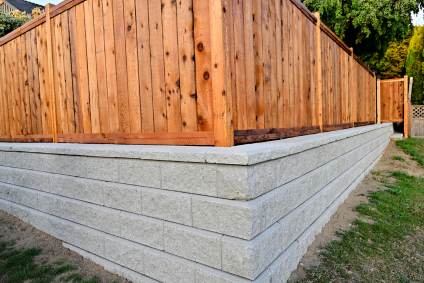
Concrete is a top choice for retaining walls due to its enduring strength. It can be molded into various shapes to fit specific design needs, offering flexibility. Concrete also supports different finishes and textures, enhancing its aesthetic appeal.
The durability of concrete means it can withstand significant weight and environmental stress. This makes it ideal for high-load applications. Maintenance is generally minimal, which is an added benefit for homeowners.
Concrete blocks are also popular for DIY projects. These modular blocks enable easy installation without compromising structural integrity.
Pros of concrete include:
- Durability
- Versatility in design
- Low maintenance requirements
Consider concrete if you need a strong, long-lasting retaining wall that adapts to multiple styles.
Natural Stone Retaining Walls: Timeless Appeal
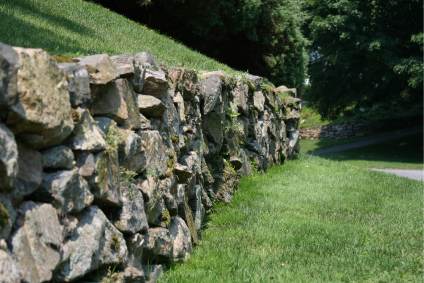
Natural stone walls bring a classic aesthetic to any landscape. They blend seamlessly with the natural environment, making them an attractive choice for many. Each stone is unique, adding character to your wall.
The material is incredibly resilient, handling harsh weather and environmental changes. While stone can be more expensive initially, its longevity can justify the cost over time.
Installation can be labor-intensive, often requiring professional help. This complexity is worth it for the timeless beauty and robust structure you achieve.
Benefits of natural stone:
- Timeless aesthetic
- High durability
- Excellent weather resistance
Natural stone suits those wanting an elegant and durable solution, despite the higher initial investment.
Brick Retaining Walls: Classic and Durable
Brick offers a classic look that complements traditional designs. This material combines both form and function, as it is durable and visually pleasing.
Brick walls require relatively simple maintenance, mostly needing only cleaning and occasional repairs. The material's uniformity and color options allow for creative design possibilities.
The installation process for brick can be straightforward, especially with a skilled professional. This makes it appealing to both DIYers and contractors.
Advantages of brick:
- Classic appeal
- Durable structure
- Low maintenance
Choose brick if you desire a traditional, durable retaining wall with easy upkeep.
Wood Retaining Walls: Affordable and Rustic
Wood retaining walls provide a rustic appearance that suits informal gardens. They are a cost-effective option, ideal for temporary or short-term projects.
While wood is more affordable upfront, it may require regular maintenance. Treatment for rot and pests is necessary to extend its lifespan. This aspect may make wood less appealing for long-term structures.
Installation is often simpler than other materials, especially for DIY enthusiasts. Wood's flexibility in design further adds to its charm.
Pros of wood:
- Cost-effective
- Rustic look
- Easy installation
Wood is ideal for those seeking a budget-friendly, rustic option for their landscape.
Gabion Retaining Walls: Modern and Eco-Friendly
Gabion walls boast a modern look while being environmentally friendly. Consisting of wire cages filled with stones or recycled materials, they are both sturdy and sustainable.
These walls have high permeability, helping with drainage and erosion control. Their open structure allows for vegetation growth, enhancing ecological benefits.
Gabion walls are strong and adaptable to different landscapes. They offer flexibility in design, requiring minimal maintenance.
Reasons to choose gabion:
- Eco-friendly
- Excellent drainage
- Modern appearance
Gabion retaining walls are perfect for environmentally conscious homeowners seeking a unique, durable solution.
Comparing Retaining Wall Materials: Pros and Cons
Each retaining wall material offers distinct benefits. Understanding the pros and cons helps you make the best choice for your needs. Let's break down the most notable features of each option.
Here's a quick comparison:
- Concrete: Offers superior strength but can be costly.
- Natural Stone: Provides timeless beauty but involves high installation costs.
- Brick: Classical look with moderate maintenance needs.
- Wood: Affordable, yet requires regular upkeep.
- Gabion: Eco-friendly and modern, but has a unique appearance that might not suit all preferences.
This comparison highlights key aspects to consider, helping you select the right material for your landscape.
Creative Retaining Wall Ideas for Your Landscape
Retaining walls do more than hold soil. They transform landscapes with flair and functionality. Infuse your outdoor space with inspiring designs tailored to enhance visual appeal and utility.
Consider these creative concepts:
- Terraced Gardens: Utilize layers for planting zones.
- Built-in Seating: Integrates seating into the wall design.
- Water Features: Adds soothing sounds and movement.
- Planters: Incorporates greenery directly into the wall.
- Lighting: Highlights architectural details for ambiance.
These ideas add charm and utility, ensuring your retaining wall is more than just a functional structure. Let your creativity flow and rejuvenate your yard with these standout features.
Working with Retaining Wall Contractors: What to Know
Hiring retaining wall contractors can streamline your project significantly. Their expertise ensures the proper selection and installation of materials, adapting to environmental factors and local regulations. This professional guidance brings peace of mind and optimal results.
When selecting a contractor, consider these crucial aspects:
- Experience: Look for seasoned professionals with a proven track record.
- References: Ask for past client recommendations and view completed projects.
- Estimates: Obtain detailed quotes, including timelines and cost breakdowns.
Working closely with skilled contractors ensures a well-designed, durable, and aesthetically pleasing retaining wall that enhances your property for years to come.
Maintenance and Longevity: Caring for Your Retaining Wall
Proper maintenance is key to prolonging the life of a retaining wall. Regular inspections can help spot signs of wear or erosion early. Addressing these issues quickly prevents further damage and costly repairs.
Simple maintenance tasks include:
- Cleaning: Remove dirt and debris to prevent moisture buildup.
- Weed Control: Keep the area free from invasive plants.
- Drainage: Ensure water flows properly to avoid pressure buildup.
By following these steps, your retaining wall will remain sturdy and visually appealing for decades. Consistent care enhances its durability and keeps it functioning optimally.
Conclusion: Making the Best Choice for Your Project
Choosing the right material for your retaining wall involves balancing aesthetic appeal, functionality, and budget. Each material offers unique benefits and challenges. Consider factors such as durability, climate, and maintenance when making your decision.
Consulting with retaining wall contractors can provide valuable insights into the best options for your specific needs. They bring expertise and experience to ensure your retaining wall is not only beautiful but also long-lasting and effective. Make an informed choice to enhance your landscape and investment.