
Best Landscaping Company Near Me
Have you ever looked out your window and envisioned a lush, perfectly designed outdoor oasis? Whether you want to create a relaxing backyard retreat, install an outdoor kitchen, or simply ensure your front lawn is the envy of the neighborhood, the first step is usually grabbing your phone and typing "best landscaping company near me" into the search engine.
However, transforming your yard takes more than just clicking on the first search result you see. Landscaping is a major investment in your property, and finding the perfect professional match requires a bit of knowledge, research, and careful planning.
In this comprehensive guide, we will walk you through exactly how to find, evaluate, and hire the right professionals to bring your outdoor vision to life.
Understanding Your Landscaping Needs
Before you start contacting companies, you need to define the scope of your project. Landscaping is a broad term that encompasses everything from planting a few shrubs to re-grading an entire property.
Landscape Architect vs Landscaping Company
One of the first decisions you will make is choosing the right type of professional. Understanding the difference between a landscape architect vs landscaping company is crucial.
- Landscape Architects: These are licensed professionals who specialize in comprehensive, complex designs. They handle structural planning, grading, and environmental analysis. If you have steep slopes, need structural retaining walls, or want a highly conceptual master plan, you need an architect.
- Landscaping Companies: A residential landscaping company typically handles the installation, planting, and ongoing maintenance. Many of these companies also offer in-house design services, making them perfect for standard backyard renovations, patio installations, and planting beds.
Looking to learn about landscape design services in plano tx? Look no further!
Hardscape vs Softscape
As you outline your vision, it helps to know the residential hardscape vs softscape differences.
- Softscape: This refers to the living, growing elements of your yard. Think grass, trees, soil, mulch, and flower beds.
- Hardscape: This refers to the non-living, structural elements. Patios, walkways, retaining walls, decks, and pergolas fall into this category.
Knowing whether your project leans heavily toward softscaping, hardscaping, or a blend of both will help you search for contractors with the right specific expertise.
How to Search for Top-Rated Locals
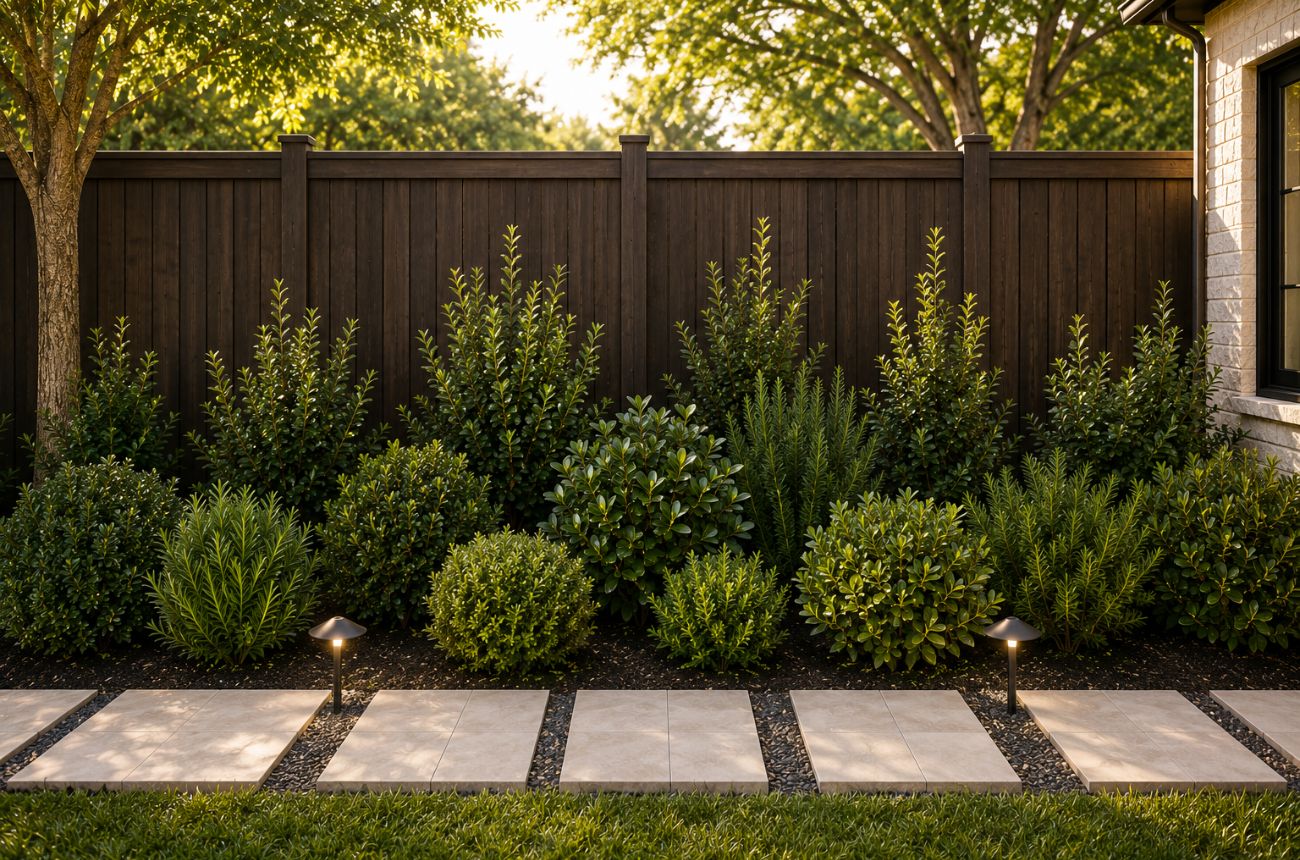
When you begin your search for local landscaping services, specificity is your best friend. A generic search might bring up national lead-generation sites, but hyper-local searches yield contractors who understand your specific soil, climate, and local zoning laws.
For instance, if you live in North Texas, searching for highly rated landscaping companies in plano tx will connect you with teams who know how to handle the region's intense summer heat and clay-heavy soils. If you are starting from scratch and need a vision, searching for the "best landscaping design company near me" will yield firms that specialize in 3D renderings and conceptual planning, rather than just mow-and-blow maintenance crews.
Likewise, if your primary goal is to illuminate your property at night, you may want to specifically search for a landscape lighting company near me rather than a generalist, as specialized electrical and low-voltage work requires distinct expertise.
The Vetting Process: Hiring with Confidence
Once you have a shortlist of local companies, it is time to narrow them down. Knowing how to vet local landscaping contractors separates a seamless, stress-free project from a potential homeowner nightmare.
Verify Credentials
The very first step is to verify landscape contractor license and insurance. Never skip this step. If a worker is injured on your property or a pipe is accidentally burst during excavation, proper liability insurance and worker's compensation protect you from severe financial liability. Always ask to see their certificates before signing anything.
The Right Questions to Ask
When consulting with potential hires, communication is key. Here are essential questions to ask a landscape designer before hiring:
- Can I see a portfolio of projects similar in size and scope to mine?
- Will you be pulling the necessary city permits, or is that my responsibility?
- Who will be managing the site on a daily basis?
- Do you use subcontractors for specialized work (like electrical or plumbing), and are they fully insured?
- What warranties do you offer on both plant life (softscape) and structural work (hardscape)?
Watch Out for Red Flags
As you review proposals, be on the lookout for landscaping service contract red flags. A legitimate contract should be detailed. Beware of contractors who demand a massive upfront deposit (more than 30-50%), those who provide vague descriptions of materials ("stone patio" instead of "600 sq. ft. Belgard Cambridge Cobble paver patio"), or contracts that completely lack a projected timeline.
Planning Your Dream Yard: Trends and Practical Ideas
A great landscaping project does more than just look pretty; it solves problems and adds tangible value to your home.
Boosting Property Value
Never underestimate the power of a great front yard. Increasing home curb appeal through landscaping is one of the most effective ways to boost your property's market value. Simple additions like fresh mulch, a defined walkway, and structurally appealing foundational shrubs can yield a tremendous return on investment.
Eco-Friendly and Low Maintenance Options
Today's homeowners are increasingly busy, making low maintenance backyard landscape ideas incredibly popular. You do not have to spend your entire weekend pulling weeds and watering plants to have a beautiful yard.
One of the best ways to achieve this is by exploring sustainable xeriscaping options for homeowners. Xeriscaping involves designing a landscape that requires little to no irrigation. This is achieved by utilizing rock gardens, drought-resistant succulents, and heavily mulched beds.
To make this work seamlessly, consult a regional native plant selection guide. Native plants have evolved to thrive in your area's specific climate and soil conditions, meaning they require significantly less water, fertilizer, and pest control than exotic species.
Solving Yard Issues
Landscaping is also about utility. If your yard floods every time it rains, a good contractor will suggest drainage solutions for uneven yards. Options like French drains, dry creek beds, grading adjustments, and strategically placed retaining walls can save your home's foundation and turn a muddy, unusable slope into a beautiful, terraced garden.
Lighting, Irrigation, and Extras
To truly get the most out of your outdoor space, you need the right underlying systems. Proper outdoor lighting and irrigation system installation will protect your investment and extend the usability of your yard into the evening hours.
- Irrigation: Automated sprinkler systems and drip irrigation lines ensure your new plants receive exactly the right amount of water without wasting a drop. Smart controllers can even adjust watering schedules based on local weather forecasts.
- Lighting: Landscape lighting adds security and ambiance. Pathway lights, uplighting on large trees, and under-cap lighting on retaining walls completely transform the look of your home after dark.
Understanding Costs and Maintenance

Setting a Budget
Budgeting for a major outdoor overhaul can be tricky. When estimating professional landscaping costs per square foot, the price can vary wildly based on the materials you choose and the labor involved.
Generally, basic softscaping (sod, mulch, and basic plants) might cost anywhere from $5 to $10 per square foot. However, once you start adding complex hardscaping (like custom paver patios, pergolas, or outdoor kitchens), that number can easily jump to $20, $50, or even $100+ per square foot. Always get itemized quotes from at least three different companies so you can accurately compare costs.
Long-Term Care
Once your beautiful new landscape is installed, the work isn't entirely over. Plants grow, weeds sprout, and hardscapes eventually need power washing.
Creating year-round lawn care maintenance schedules is vital to protecting your investment. This schedule should include spring cleanups, summer mowing and irrigation checks, fall leaf removal and aeration, and winter pruning.
If you don't have the time to manage this yourself, ask your installation company if they offer ongoing care. There are numerous benefits of professional garden maintenance plans, including early disease detection in plants, proper seasonal fertilization, and the peace of mind that comes with knowing your yard will always look perfectly manicured.
Final Thoughts
Finding the best landscaping company near me doesn't have to be an overwhelming chore. By understanding your specific needs—whether that means finding an architect for a massive overhaul or a local crew for a beautiful native plant installation—you can narrow down your search efficiently.
Take the time to verify credentials, ask detailed questions, and ensure you have an iron-clad contract. When you pair a highly qualified professional with smart, sustainable design choices, you will end up with a stunning outdoor living space that you and your family will enjoy for decades to come.
Frequently Asked Questions
Question: How do I quickly find the best local landscaping pros near me?
Short answer: Use hyper-local, specific searches so you get contractors who understand your climate, soil, and local rules. Instead of a generic search, include your city or neighborhood and the exact service you need. For example:
- “landscaping companies in plano tx” for teams versed in North Texas clay soils and heat
- “best landscaping design company near me” if you want conceptual planning and 3D renderings
- “landscape lighting company near me” for specialized low-voltage lighting work This approach helps you avoid generic lead-generation lists and connects you with pros who match your project’s scope and local conditions.
Question: Do I need a landscape architect or a landscaping company?
Short answer: It depends on scope and complexity.
- Choose a landscape architect for complex, structural, or site-wide planning needs—think grading changes, steep slopes, structural retaining walls, or a master plan that considers environmental analysis.
- Choose a landscaping company for installation, planting, hardscape builds (patios, walkways), and ongoing maintenance. Many also offer in-house design for standard renovations, planting beds, and patios. If your project blends both (e.g., big design vision plus installation), an architect can plan it and a landscaping company can build it—or you can hire a full-service firm that does both.
Question: How do I properly vet a landscaping contractor before hiring?
Short answer: Verify credentials, ask targeted questions, and watch for contract red flags.
- Verify: Ask for proof of an active landscape contractor license (where required), general liability insurance, and workers’ compensation. Request certificates before signing.
- Ask:
- Can I see a portfolio of similar projects?
- Who pulls required city permits—you or me?
- Who manages the site day-to-day?
- Do you use insured subcontractors for specialties (electrical/plumbing)?
- What warranties cover plants (softscape) and structures (hardscape)?
- Red flags: Massive upfront deposits (over 30–50%), vague material specs (“stone patio” vs. “600 sq. ft. Belgard Cambridge Cobble paver patio”), and contracts without a projected timeline. A solid proposal should spell out scope, materials, methods, responsibilities, and schedule.
Question: What should I budget for professional landscaping?
Short answer: Costs vary by scope and materials. As a rough guide:
- Basic softscaping (sod, mulch, foundational plants): about $5–$10 per square foot.
- Complex hardscaping (custom paver patios, pergolas, outdoor kitchens): can jump to $20, $50, or even $100+ per square foot. Always get at least three itemized quotes so you can compare the same materials, quantities, and labor apples-to-apples.
Question: I want a beautiful yard that’s low maintenance and eco-friendly—what should I ask for?
Short answer: Lean into xeriscaping and native plants, supported by smart irrigation.
- Xeriscaping: Rock gardens, drought-tolerant succulents, and heavily mulched beds reduce watering needs.
- Native plants: Use a regional native plant selection guide; natives are adapted to your local climate/soil, so they typically need less water, fertilizer, and pest control.
- Irrigation and lighting extras: Drip lines and smart controllers tailor water use (some adjust to local weather), and landscape lighting extends usability and adds safety without heavy upkeep.
Contact us today if you are looking for a Landscape Company in Plano, we are ready to help!