
Benefits of Stone Rock Retaining Walls in Plano
What if you could reclaim that muddy backyard slope in Plano and transform it into level, usable terraces? In practice, the benefits of stone rock retaining walls go far beyond simple aesthetics. Just as a house relies on a solid foundation to shed rainwater, sloping land requires a structural guardian to hold back shifting earth. Building natural stone rock walls stops soil runoff while converting steep problem areas into functional outdoor living space for Plano homeowners.
Unlike wood that eventually surrenders to rot, heavy masonry acts as a permanent gravity wall, using sheer weight to stabilize hillsides. In a market like Plano, where curb appeal and backyard usability matter, increasing home value with premium stonework can deliver a stronger long-term return than temporary materials. You are ultimately investing in structural landscaping that protects your Plano property for decades.
Summary
Natural stone retaining walls transform slopes into usable terraces, control erosion, and add lasting property value with minimal maintenance. They outperform timber and concrete by resisting decay, frost heave, and ground movement while offering a lower environmental footprint. Longevity depends on managing hydrostatic pressure with aggregate backfill, weep holes, and a slight wall batter. In Plano, the right retaining wall can also improve drainage, elevate curb appeal, and create more functional outdoor space. Aesthetic impact and cohesion come from choosing the right stone and method (dry stack or mortared), followed by a clear plan for assessment, drainage, and permitting.
Stone vs. Timber: Why Natural Masonry Wins the Longevity War
Watching a wooden landscape border slowly splinter is frustrating. Because timber is organic, its material lifecycle inevitably leads to decomposition, turning your investment back into soil. Shifting to inorganic construction changes this trajectory entirely. Comparing a rock wall vs. pressure-treated timber means choosing between a temporary ten-year bandage and a permanent structural upgrade for your Plano landscape.
The true cost of any backyard feature reveals itself over decades rather than months. Consider how these common landscaping options stack up:
Lifespan: Natural stone wall longevity spans 50+ years, while timber often demands complete replacement within a decade.
Maintenance: Stone requires little to no chemical treatment, whereas wood needs regular sealing to delay rot.
Degradation: Masonry ignores pests and decay, while wood eventually breaks down in damp soil conditions.
North Texas weather presents the ultimate test for these materials. With periods of heavy rain, dry heat, and shifting soil, Plano properties benefit from retaining walls built for movement and drainage. Wood can warp, crack, or fail over time, while masonry performs better under pressure. Yet even heavy stone needs help with trapped water, leading to the invisible shield: using hydrostatic pressure management to prevent wall failure.
The Invisible Shield: Using Hydrostatic Pressure Management to Prevent Wall Failure
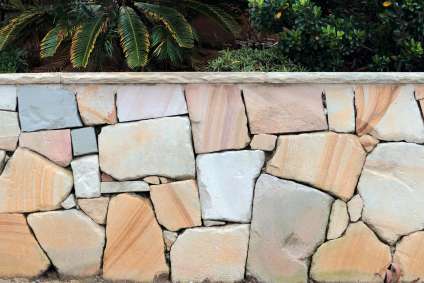
Water, not dirt, is the true enemy of any retaining structure. When it rains in Plano, the soil behind your stones absorbs moisture like a giant sponge, adding thousands of pounds of pressure to the hillside. This invisible force, known as hydrostatic pressure, pushes outward and is the primary reason poorly built barriers eventually bulge or collapse entirely. Ultimately, managing hydrostatic pressure in stone structures is the true secret to building a retaining wall that lasts.
Defeating this hidden stress requires giving trapped rainwater an easy escape route. Builders achieve this by placing aggregate backfill—a thick layer of crushed, jagged stone—directly behind the masonry. Instead of pooling in heavy mud, water drops quickly through this porous stone layer to the base, where integrating weep holes for water runoff allows it to safely exit through the front face. This simple drainage system demonstrates exactly how to improve backyard drainage with stone retaining walls in Plano, turning a washout hazard into a controlled, harmless flow.
Beyond internal drainage, the physical stance of the masonry provides the final defense. By building a slight backward lean into the hillside—a technique called wall batter—the barrier physically braces against the earth. This subtle tilt maximizes the structural advantages of gravity walls, using the stones’ massive weight to pin the slope securely. With these invisible mechanics safely handled, you are finally ready to choose the perfect materials to transform your yard’s appearance.
Curb Appeal Secrets: Picking the Right Rockery for Maximum Property Value
To maximize your property’s visual impact with masonry, your chosen rock must complement your existing architecture. Think of it as matching permanent outdoor design to your home’s exterior. A massive boulder looks out of place next to a delicate cottage, making material scaling—matching stone size to your landscape’s proportions—crucial for a cohesive look. This is especially important in Plano neighborhoods, where polished landscaping can make a strong first impression.
You must also decide between two distinct building methods. “Dry stack” relies entirely on gravity and careful puzzle-piece fitting, creating a charming, rustic aesthetic perfect for natural rock wall landscaping. Alternatively, “wet masonry” uses visible mortar to cement the joints together, delivering a crisp, formal appearance. For cottage-style plantings or poolside garden spaces, a rockery retaining wall can frame perennials, shrubs, and accent beds with a layered, naturalistic feel.
Selecting the exact material dictates the final personality of your yard. Consider this quick guide to popular options when choosing rocks for Plano retaining wall projects:
Sandstone: A sandstone retaining wall offers warm, earthy tones that pair beautifully with traditional brick homes.
Fieldstone: Known for organic, rounded shapes, fieldstone works well for garden borders and natural-looking landscapes.
Granite: Delivers sharp, modern lines for contemporary Plano properties.
Cobblestone: A cobblestone retaining wall provides instant Old World charm and visual texture.
Once your ideal style is set, the long-term advantages of these natural materials become even more apparent when compared to manufactured alternatives.
Maintenance-Free Masonry: Why Natural Stone Outperforms Concrete Blocks
When evaluating why choose natural stone over concrete blocks, the answer often comes down to long-term effort and appearance. Manufactured concrete can look uniform and practical, but natural stone provides richer texture, more character, and a more upscale finish for Plano homes. It also supports chemical-free landscaping; you will never need to apply toxic sealants, paints, or synthetic coatings to prevent a natural boulder from fading or crumbling.
Beyond skipping harsh chemicals, natural stone rock walls possess a hidden mechanical advantage. Rigid concrete can crack when the ground shifts, especially in regions like North Texas where soil movement is common. However, a stacked stone structure handles natural settling beautifully, subtly flexing with the soil instead of fighting it. This ability to absorb ground movement makes it one of the most reliable, low-maintenance retaining wall options for Plano homeowners. Proper planning will ensure your new structure delivers on all these benefits.
From Muddy Hills to Level Luxury: Your Final Action Plan for a Stone Retaining Wall
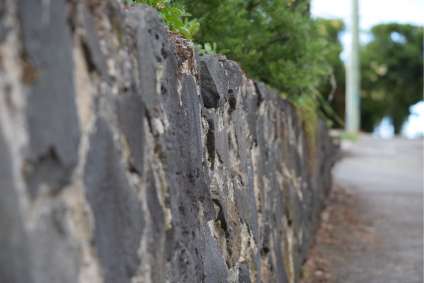
You’ve transformed that sloping yard from an erosion hazard into an opportunity for permanent value. Before installing rock retaining wall solutions in Plano, use this starting checklist:
Assess: Decide between a DIY small stone retaining wall or a professional installation by weighing cost, scale, and structural needs.
Plan: Measure your slope and map drainage paths to ensure long-term performance.
Permit: Learning how to build a natural rock retaining wall over four feet tall requires checking Plano-area code requirements and local regulations.
Your landscape is no longer at the mercy of gravity. By investing in natural stone and a properly designed stone retaining wall, you secure decades of structural integrity, improved drainage, and a more functional, elegant outdoor living space in Plano.
Frequently Asked Questions
Why choose natural stone over timber or concrete blocks in Plano?
Natural stone offers 50+ years of durability with minimal maintenance, outlasting timber that often needs replacement within a decade. It resists rot, pests, and weather-related wear, and unlike rigid concrete, stacked stone can subtly flex with ground movement, reducing cracking. It also boosts curb appeal and creates a more upscale finish for Plano homes.
Question: How do I build a stone retaining wall that lasts?
Manage water first. Place a thick layer of crushed aggregate directly behind the wall so rain drains quickly instead of building pressure in the soil. Add weep holes at the base to let water exit through the face, relieving hydrostatic pressure—the leading cause of bulging and failure. Finally, include a slight backward lean, or wall batter, so the wall braces into the hillside and uses its own mass to resist pressure.
Question: Dry stack or mortared—how should I decide?
Choose dry stack for a rustic, natural look that relies on gravity and tight stone fitting. It blends well with informal gardens and naturalistic landscapes. Pick mortared masonry for a cleaner, more formal appearance with visible joints that complement structured landscapes, front yard installations, or upscale outdoor living spaces in Plano.
Question: How do I pick the right stone and size for curb appeal?
Match material scale to your home and landscape. Large boulders can overwhelm a smaller home, while finely sized stone may look too subtle next to a large modern facade. For Plano properties, sandstone, fieldstone, granite, and cobblestone each offer a different look, so your choice should align with your architecture and the style of your outdoor space.
Question: Do I need permits, and should I DIY or hire a pro?
Check local code requirements, especially for retaining walls over four feet tall. Before starting, assess whether a small DIY wall fits your site and skill level or whether professional installation is the better choice for structural stability, drainage, and compliance. Measuring the slope, planning drainage, and confirming permit requirements are all essential steps for long-term success.